OLD HOUSEHOLD
PRESERVED AND MAINTAINED
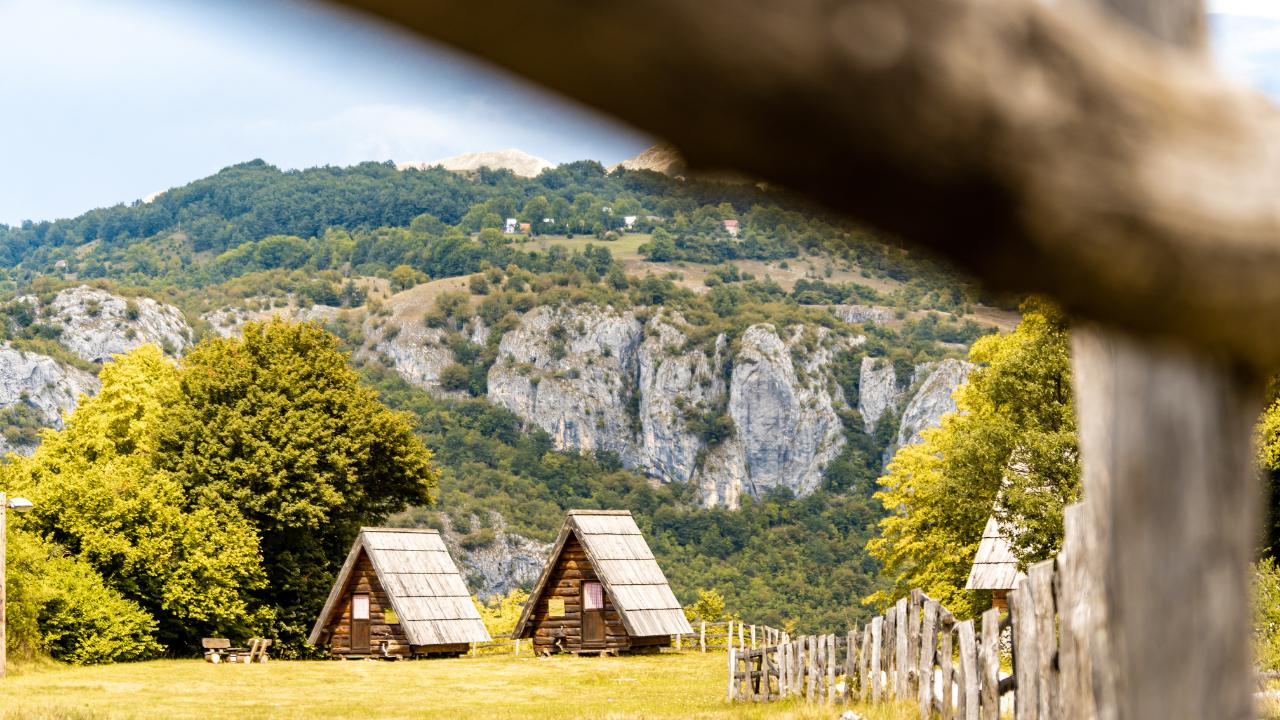
Numerous settlements are scattered within the National Park: Dobrilovina, Budečevica, Đurđevića and Lever Tara, Tepca, Mala Crna Gora (Little Montenegro), Motički gaj, Razvršje, Pitomine, Bosača, Rasova, Pitomine, Bosača, Rasova, Virak and Nadgora. Durmitor’s traditional house is a log cabin, where the space is divided into two parts, with a separate economic zone (pantry, warehouse, workshop), which is built of stone, and above it is a residential part –
a log cabin with a steep roof that is covered with shingles or clapboards.
There are commercial facilities near the house: cowsheds, dairy farms, and huts. An integral part of the decor of the Durmitor region is colorful katuns with endless meadows where cattle herders stay during the summer: Lokvice, Stari katun, Veliki do, Katun u donja Ališnica, Ograda, Poljica, Dobri do, Veliki štuoc… Their uniqueness and simplicity are reflected in the architecture.
In the life of the settlement, watermills and fullings (stupas) for rolling cloth, built as log cabins, played an important role.
Epic folk songs, often performed with fiddles or slav DOUBLE FLUTE, preserve spiritual creativity.
The beauty of a place is the people and their mentality. They are recognized by deep-rooted and strong family ties. Customs are nurtured in different forms of festivals – fairs, within which various competitive games are organized, such as shoulder throwing, long jump, and horse race.
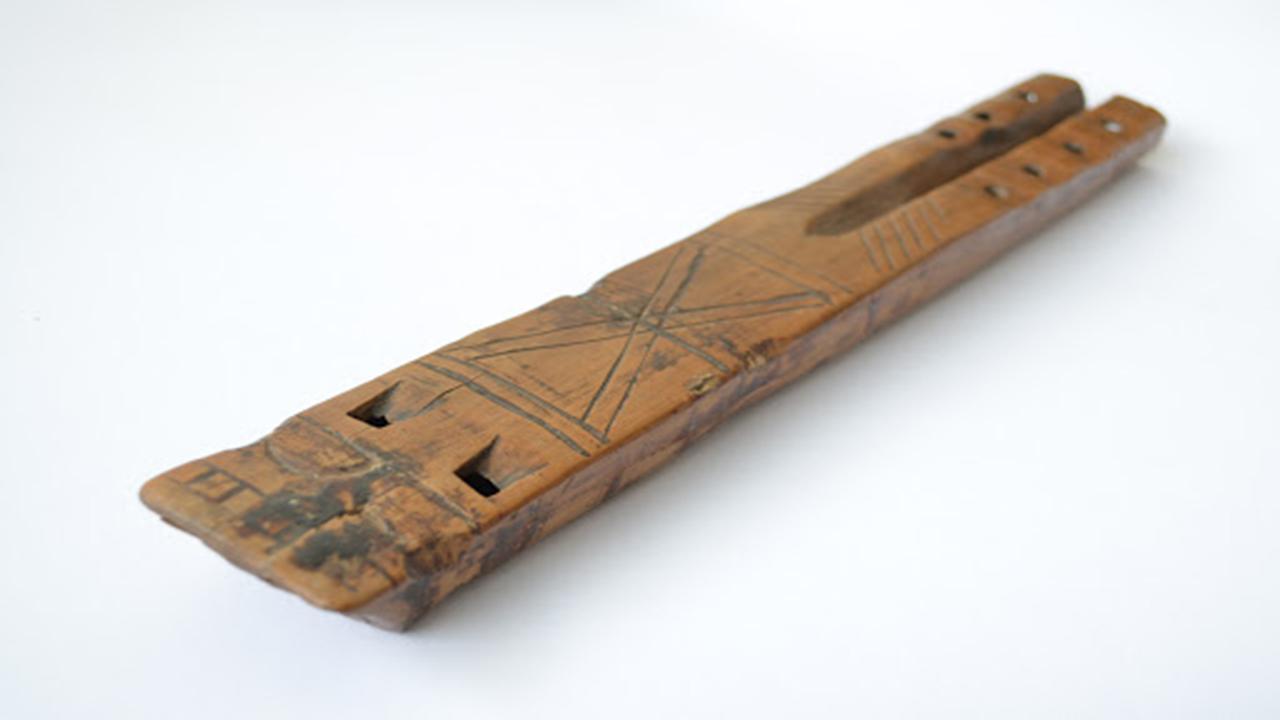
DVOJENICE OR SLAV DOUBLE FLUTE
Slav double flute called „dvojenice“ is the name for a rectangular double flute. It consists of two pipes made from the same piece of wood. Each tube has a spout and holes. The right line has a hole higher. The instrument produces two tones at the same time. Below the lip part is the body of the flute, richly decorated with carvings. This type of flute is widespread in the Balkans in different variants and has different names. In Montenegro, it is called dvojenice or slav double flute in english.
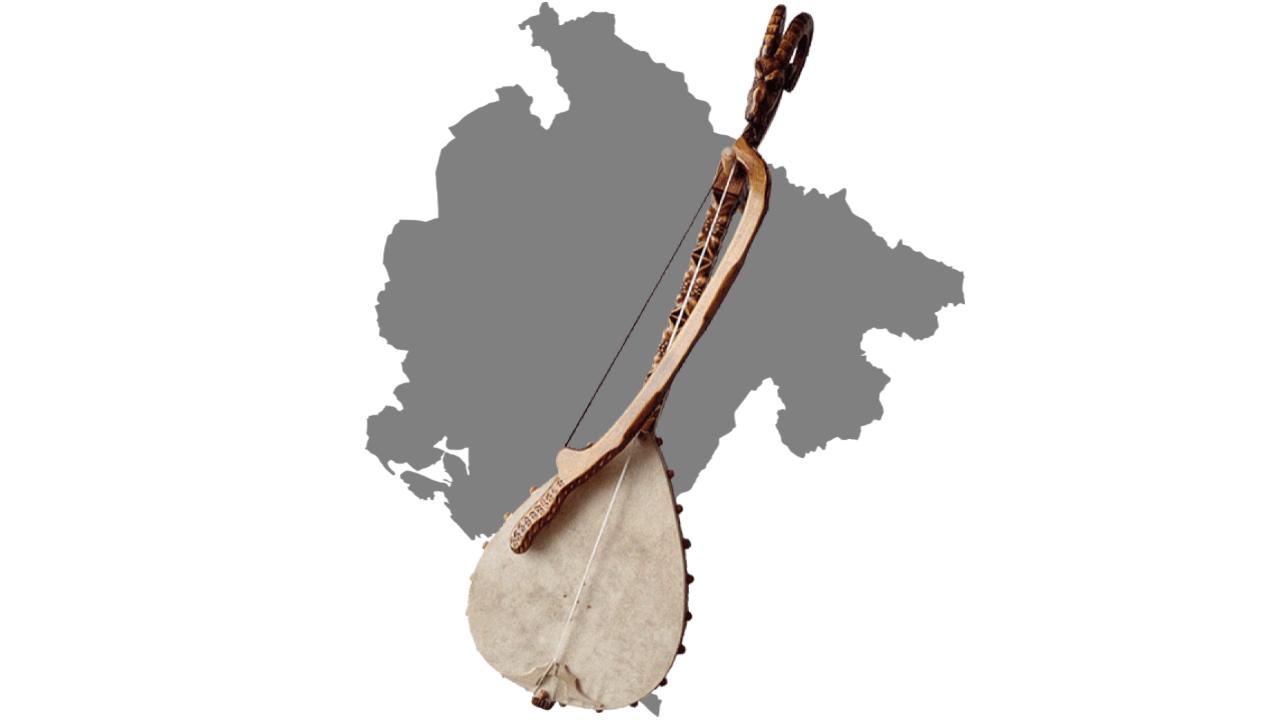
THE FIDDLE (GUSLE)
On the first listen of this sound, these tones may sound unfamiliar and strange to an unaccustomed ear. They are created by playing the fiddle. The fiddle is a traditional stringed instrument in the Balkans. However, they are something more than that in Montenegro: a symbol of tradition and an essential part of Montenegrin culture and identity.
The fiddle is actually a type of lute. Only one thick string is stretched over the fiddle’s body, created by joining up to 30 horse hairs. This is quite unusual, as the horse’s mane hair breaks quickly. Therefore, the instrument must be tuned and played carefully.
Few instruments from the region are decorated like fiddles. The head of the „gusle“ is often decorated with animal motifs, such as the head of a chamois or a horse; it can be a falcon or an eagle. The neck and sound body are decorated with various ornaments. There are different types of fiddles, but Montenegrin fiddles are the largest and considered the best and most beautiful among fiddles. Fiddles are played by skilled and musical performers because their sound is open and bright, and the skill is how to maintain the tone.
The fiddle is played by a musician called a fiddle player – ,,guslar“. He sings and accompanies himself on this instrument. He pulls a large, wooden bow, also made of horse mane, over the string on the instrument’s body while pressing the string on the neck with the fingers of his other hand. So, playing the fiddle is a fundamental skill.
Heroic songs and epics tell different stories and are performed on the fiddle. And with those stories, they pass on the tradition and legacy of their ancestors.
Montenegrin writer and bishop Petar Drugi Petrović Njegoš wrote the epic „Mountain Wreath,“ which is considered the most important work of South Slavic poetry from the Romantic period. In this work, the role of fiddle in Montenegrin culture is highlighted. This is how Njegoš writes:
„If you can’t hear the fiddle in the house; the house and the people are dead.“